Most homeowners picture a rainfall showerhead and think spa, calm, indulgence. The visual alone is compelling: a wide, flat head, water falling in a soft sheet, steam curling at the edges of a tiled shower. But the decision to install one should be informed by more than aesthetics. Flow rates, ceiling height, plumbing configuration, water heater capacity, and maintenance all factor into whether a rainfall head truly enhances your daily routine or becomes a pretty feature you rarely enjoy.
After specifying, installing, and troubleshooting dozens of rainfall systems over the years, I can say they are absolutely worth it for the right homeowner and space. They are not universally practical, and there are better options for those who need high-pressure rinsing or who have low ceilings. Understanding the trade-offs helps you decide with confidence.
What a rainfall showerhead actually does
Most rainfall heads have a wide diameter, typically 8 to 12 inches, sometimes larger. Water is dispersed through many small nozzles to create a gentle, downward sheet. The experience is different from a standard angled showerhead. Instead of a focused stream, you get coverage that feels more like warm summer rain. It is great for relaxing and for keeping heat around your body since the water falls directly from above rather than hitting you from the side and bouncing off.
Flow rates are usually 1.75 to 2.5 gallons per minute in the U.S., depending on local regulations and the product you choose. Because the head spreads the water over a large surface area, the sensation is softer than the same flow rate on a standard head. That is part of the appeal, and also a potential downside if you want a blasting rinse that clears shampoo in seconds.
The practical constraints that matter before you buy
Clearance and height are the first checks. Rainfall heads work best when the outlet is overhead, either ceiling mounted or from an overhead drop arm. You want enough ceiling height so the head sits at least 80 to 84 inches above the finished floor. For taller users, 86 to 90 inches feels luxurious. Install too low, and the water will hit your head immediately and spread sideways, which reduces the curtain effect.
Water pressure in the home plumbing plays a role. Most rainfall heads perform well at 45 to 60 psi. If your static pressure is closer to 35 psi, the spray can feel thin. A licensed plumber can test and adjust a pressure-reducing valve if needed. Also consider hot water capacity. A single rainfall head at 2.0 gpm for a 10 minute shower uses about 20 gallons. Add a handheld or body spray and the total climbs. If you have a 40 gallon water heater serving a household of four, you may want to evaluate your morning routine or consider a higher capacity or tankless unit.
We routinely measure these parameters during bathroom planning. On one full-house remodel, the clients loved the idea of a 12 inch ceiling-mounted head plus a handheld for flexibility. Their existing 50 gallon tank was adequate for two consecutive showers, but they had teenagers. We documented actual bath lengths for a week, then upsized to a 75 gallon high-recovery tank during the renovation. That early decision meant they enjoy the rainfall experience without worrying about a cold finish.
Design integration and the look of the space
A rainfall head telegraphs luxury, but the installation must complement the rest of the bath. Ceiling mount locations need to align with tile layout, lighting, and the shower drain. If you place the head dead center in a 60 by 36 inch shower, water may fall directly on the doorline and encourage drips onto the bathroom floor when you open the door. A slight offset, coordinated with a linear drain placement, keeps water where it belongs and looks intentional.
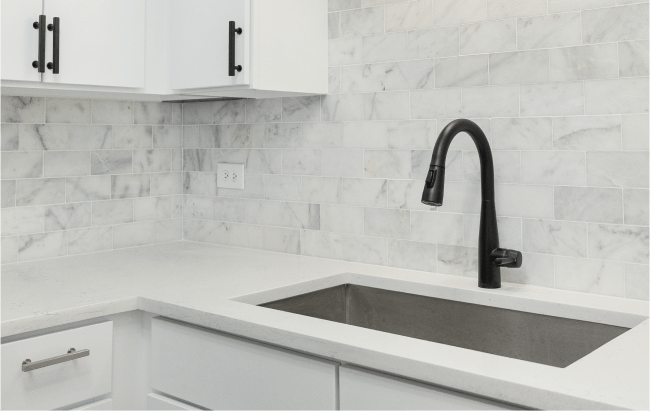
Material finish ties the room together. Brushed nickel hides water spots better than polished chrome. Matte black feels current but shows mineral residue more readily unless you squeegee consistently. If you plan wall-mounted accessories and a vanity faucet, choose a manufacturer with a coherent finish palette and stick to it. Mixing finishes can look great in a kitchen, but in a bathroom’s tight field of view it often reads as chaotic.
Pressure, rinsing, and the everyday user experience
The most common complaint with rainfall heads is inadequate rinsing. It is not that they use less water. It is the way water is delivered. The fix is simple and smart: pair the rainfall with a separate handheld on a slide bar or an adjustable wall head. Use the rainfall for soaking and warmth, then lean on the handheld for targeted rinsing, shaving, cleaning the enclosure, and avoiding dreaded cold shoulders while waiting for water to warm.
In our projects, pairing the two heads has become standard, and for good reason. A client who does strength training needed to rinse sweat and shampoo quickly before work. The rainfall alone felt indulgent on weekends, but on weekdays he preferred the focused stream of the handheld. The combination solved both use cases without crowding the shower footprint.
Building codes, permitting, and the Chicago wrinkle
If you live in a large city, you may need to navigate plumbing codes and permits. Chicago’s plumbing regulations require licensed installation for fixture changes that alter piping, particularly if you switch from a wall arm to a ceiling drop that runs through joists. Chicago also enforces efficiency standards on flow rates. If you are planning a broader bathroom renovation, this fixture decision folds into the scope that may already require permits and inspections. Handling it properly prevents callbacks and accelerates project sign-offs.
Climate matters too. In cold winters, exterior walls get frigid. Running a supply line to a ceiling head along an outside wall increases the chance of slow warmup or condensation inside framing. In older Chicago bungalows, we have added insulation and used vapor-retarding drywall above showers, then routed the supply through interior bays to keep temperature swings in check. Those micro decisions are invisible to the eye but change your daily comfort.
Cost realities: fixture, rough-in, and what you do not see
A quality rainfall head ranges widely. Expect roughly 200 to 800 dollars for mainstream brands, and well over that for high-end European makers. The head itself is only part of the cost. Ceiling mounts may need blocking, a drop-ear elbow, and re-routing of copper or PEX. If tile is already in place, retrofitting can be invasive. In a planned remodel, the incremental cost is modest because your walls are open and plumbing work is already in the budget.
Do not overlook valves. Some rainfall setups use a single thermostatic valve with a diverter. Others benefit from separate volume controls. A thermostatic valve adds upfront cost but stabilizes temperature when someone flushes elsewhere in the house. In households with kids, that stability is worth every penny. Modern thermostatic valves can maintain outlet temp within a couple of degrees even with pressure fluctuations, which keeps the rainfall pleasant rather than tepid.
Maintenance: mineral buildup, cleaning, and longevity
Rainfall heads look sleek, but their many nozzles can clog over time. Silicone nozzles allow you to rub away mineral deposits easily. A removable faceplate makes deeper cleaning straightforward. If you have hard water, consider a softener, which not only protects the head but also your shower glass and the heating element in your water heater.
We recommend a quick weekly routine: wipe the head with a microfiber cloth after your shower while surfaces are warm, then swipe the glass. Every few months, soak the head in a diluted white vinegar solution if mineral spotting appears. Ten minutes of care preserves performance and that crisp, even sheet of water.
Where rainfall heads shine, and where they fall short
They excel in larger showers with enough overhead clearance, paired with a handheld, and in households that value the ritual of a long shower as a way to unwind. The sensation is calming. Heat retention feels better because the water envelopes you rather than glancing off.
They fall short in small showers with low ceilings, in homes with persistently low water pressure, and for users who want a hard massage spray. If your priority is speed, conservation, and maximum rinsing power, a high-quality multi-function head may suit you more. There is no shame in choosing function first.
A balanced take from the field
On a townhouse project, we installed a 10 inch ceiling head with a 2.0 gpm rating and a 1.75 gpm handheld. The thermostatic valve controlled temperature, with a 3 way diverter managing outlets. The owners reported they used both simultaneously on winter mornings and loved the wraparound feel. Their 60 gallon hybrid heat pump water heater handled two back-to-back showers without complaint. That pairing would not have worked with their previous 40 gallon unit.
In contrast, a condo with slab constraints and a concrete ceiling limited our options. Running a new supply through the ceiling was a nonstarter without core drilling. We pivoted to an overhead wall arm that arced from the wall and placed the head over center. The effect delivered a rainfall sensation without intrusive structural work. The client kept the handheld for rinsing and cleaning. That compromise shows how a pro team adapts intent to conditions without overcomplicating the job.
How Revive 360 Renovations evaluates rainfall options during design
When we assess whether a rainfall head fits, we run through a quick matrix in design meetings: ceiling height, user height, water pressure, hot water capacity, shower footprint, and valve strategy. We also map spray zones on the plan so we understand where water lands relative to the drain and door. This prevents splash migration into the bathroom and aligns the head with lighting, so the fixture’s shadow line feels intentional rather than accidental.
Revive 360 Renovations often brings a short list of tested models to a consultation. Real familiarity matters here. Some heads advertise luxury but deliver a prickly or uneven spray. Others hum when flow restrictors are poorly designed. A few have superb laminar flow that looks beautiful but cools quickly as droplets do not entrain as much steam. We walk clients through those nuances so they select a head that suits their routine, not just a catalog photo.
The energy and water usage question
If you are planning a broader efficiency strategy for the home, consider how the shower fits. Choosing energy-efficient materials for your renovation is not just about insulation and windows. Water heating is a major energy load. If a rainfall setup inspires longer showers, your utility bills will reflect it. Low-flow rainfall heads exist, typically 1.75 gpm, and some feel surprisingly full. Paired with a thermostatic valve and a recirculation system that shortens warmup times, you can enjoy a spa feel while keeping usage in check.
Homeowners focusing on how to make your home more energy efficient often ask about heat recovery drain units. In cold climates, a drain water heat recovery system can pre-warm https://privatebin.net/?3189b44c20b63096#dgpKMs6QcCBfjGiHmYoCrYek2wr7mHeCofQC6ZstC3i incoming cold water using heat from your shower wastewater. That tech can shave meaningful energy use, especially with daily showers, and pairs logically with a rainfall head if you tend to linger.
Layout and usability details that separate a good install from a great one
Small moves matter. Set the head far enough from the wall that tall users can stand fully under the stream without hunching. Place the control valve near the entry so you can start the water without stepping under it. Use slip resistant tile since rain-style heads wet a larger footprint quickly. Plan lighting outside the direct stream. If you place a downlight directly above a rainfall head, the water curtain can sparkle beautifully, but glare and lens spotting may bother you unless the trim is rated for wet locations and positioned thoughtfully.
For multi-user households, universal design principles help. A slide bar for the handheld accommodates different heights and makes the shower more accessible. Lever handles operate easily for users with limited grip strength. These choices do not detract from the spa look. They make the shower safer and more adaptable for all ages.
Cases where Revive 360 Renovations advises against rainfall
We do not specify a rainfall head in very low ceilings, say 84 inches or less, unless the client understands the trade-offs. The stream will be close to the scalp, which can feel claustrophobic. We also caution against them in showers with poor ventilation. A gentle sheet of water produces steamy air quickly. Without a properly sized and well ducted bath fan, condensation can form on windows and paint, inviting mildew. A right-sized fan, ideally on a humidity-sensing control, makes a noticeable difference.
If a remodel is scoped tightly and the client is focused on how to plan a home renovation on a budget, a rainfall head can be a line item to defer. The valve, diverter, and ceiling rough-in add cost. You can plan the blocking and framing now, cap a future supply stub in the ceiling, and add the head later when funds allow. That phased approach keeps options open without breaking the schedule.
What homeowners tend to love most after installation
The word we hear is ritual. People enjoy the moment of standing still, water falling straight down, shoulders uncoiling. Parents mention that the handheld makes rinsing kids easier, and the rainfall turns a late evening shower into a reset. Couples juggling busy schedules find the uplift in daily routine worth more than a dozen small upgrades that only show on a punch list.
In before and after transformations, photos of a rainfall head often become the signature image. It reads as spa luxury even if the rest of the materials are practical and durable. That optical signal can help a listing stand out in competitive markets where bathrooms and kitchens drive buyer emotion. If you plan to increase home value with strategic renovations, a well executed primary bath with a rainfall head can be a smart component. Value depends on execution more than the head itself: thoughtful tile, good lighting design, and a watertight shower envelope matter as much as the fixture choice.
Product nuances: what specs to look at besides diameter
Flow restrictor design affects noise and feel. Some heads create a faint hiss at high pressure, which disappears when a better restrictor is used or when pressure is balanced. Ball joint tolerance determines how precisely you can level the head, crucial for a perfect sheet. Nozzle pattern density affects coverage near the edges. Thin stainless faces resist warping better than plastic under hot water and repeated cleaning.
If you want an extra feature, look at air-injected designs. They pull air into the stream to create larger, softer droplets that feel fuller at lower flow. These can bridge the gap between conservation goals and the sensation people want from a rainfall.
Installation sequence and coordination from a contractor’s lens
The cleanest installs begin in design: set exact head centerline on the plan, coordinate with a framing diagram, and flag any joists. During rough plumbing, the drop-ear elbow is braced solidly to prevent wobble. Electricians route lighting accordingly. Tile setters notch for the arm escutcheon or ceiling trim with tight tolerances so silicone lines stay invisible. After finish plumbing, we level the head, flush the lines, and run the system for several minutes to check for drips and spray pattern uniformity.
Revive 360 Renovations keeps a simple commissioning checklist for showers: confirm temperature limits at the thermostatic valve, test diverter positions, inspect for leaks at all threaded connections, verify the bath fan operation, and confirm that water drains efficiently under the rain stream without ponding. Those final minutes save hours later.
When remodeling timing affects your choice
The best time of year to remodel your home in Chicago tilts toward spring and fall, when humidity and temperatures help materials behave predictably and you avoid deep winter delays. Lead times for plumbing fixtures can fluctuate. If your design leans on a specific rainfall head, confirm availability early and build it into how to create a remodeling timeline that works. Some finishes, like brushed brass, have longer waits. Substitutions mid-project cause rework if valve trims do not match rough-in specifications.
If your bathroom is your only full bath, plan how to live through a remodel with minimal disruption. Temporary setups help, but a well sequenced schedule that compresses demolition, rough-in, inspection, and tile work makes the downtime bearable. A contractor who knows how to hire the right specialists and coordinate inspections for permits and regulations for home renovations in Chicago will keep that critical path tight.
Cleaning, ventilation, and mold prevention best practices
Bathrooms are wet rooms whether you design them as such or not. A rainfall head increases the area of direct wetting, which is fine with proper sloping and drainage. Choose grout wisely, and keep it sealed if you use cementitious grout. Epoxy grout resists staining and moisture but requires an experienced installer. A properly sized, quiet fan vented to the exterior, not into an attic, keeps moisture under control. Run it during and for 20 minutes after a shower, or use a humidity sensor.
Learning how to prevent bathroom mold and mildew is part design, part daily habit. A squeegee session after each shower, a weekly cloth wipe, and keeping bottles off the floor on a niche or shelf limit moisture traps. The rainfall head’s gentle sheet makes post-shower cleanup almost pleasant, since you can use the handheld to rinse glass and tile quickly.
Pairings that elevate the rainfall experience
Heated bathroom floors are a favorite partner. They offset the coolness once you step out, especially in winter. A frameless shower door reduces visual barriers so the rainfall head becomes a calm focal point. If you like a wet room concept, make sure the floor is properly sloped and drains are sized for combined flows. Lighting design matters as much as fixtures. Layer ambient, task, and accent lighting so the shower feels serene without being dim. A warm temperature in the 2700 to 3000 K range complements the restful feel of a rainfall head.
Where Revive 360 Renovations sees trends heading
Rainfall heads are not going away, but we are seeing homeowners ask for more control. Systems that toggle between rain, cascade, and mist are gaining interest. In compact city bathrooms, owners are prioritizing multi function setups that blend a modestly sized rainfall with an efficient handheld rather than oversized heads that overwhelm the space. Finishes are warming up, with brushed nickel and brushed brass outpacing chrome. Two tone bathrooms that mix natural stone with subtle terrazzo feel current without being trendy.
From the perspective of Revive 360 Renovations, the most satisfying result is a bathroom that does not chase a fad. It should feel grounded in your home’s character and hold up for a decade or more. A rainfall head can play a quiet, reliable role in that picture if selected and installed with care.
A quick decision guide for homeowners on the fence
Use this short checklist to pressure test your decision.
- Ceiling height at least 80 to 84 inches, with space to mount overhead Household pressure near or above 45 psi, verified with a gauge Water heater capacity that supports your typical shower length and users A plan to pair with a handheld for rinsing and cleaning Ventilation sized for the space, with a duct to the exterior
If those boxes are checked, a rainfall head is likely to be a daily pleasure rather than a seldom used showpiece.
Final perspective
Are rainfall showerheads worth the investment? Yes, when the room, plumbing, and your habits align. They deliver a feeling that no other head quite matches, especially during colder months or after long days. If you have low ceilings, prefer a strong massage spray, or need to keep costs lean, you have other excellent choices. An experienced contractor can help you find that line where design, comfort, and function meet.
When we evaluate these projects at Revive 360 Renovations, the answer emerges from the specifics of the home, not a trend list. A great bathroom is not built around a single feature. It is an orchestration of details, and a rainfall head can be a beautiful note in that composition.